Follow Me On Social Media!

Chinese Coconut Pudding: The Best Silky Dessert to Savor

Introduction to Chinese Coconut Pudding: A Silky Dessert with a Story to Tell
Chinese Coconut Pudding, or douhua as it’s affectionately known, is more than just a delightful dessert—it’s a culinary experience woven into the fabric of community and tradition. Each creamy bite transports you to bustling street markets and festive family gatherings, where this dessert is often enjoyed in celebration. As a personal favorite, I remember my first encounter with this pudding on a warm summer evening, its silky texture perfectly complementing the rich coconut flavor.
Whether served warm or chilled, Chinese Coconut Pudding offers a sense of comfort and nostalgia, reminiscent of childhood days filled with laughter and the smell of food simmering in the kitchen. Crafted from simple, natural ingredients, its allure lies in its ability to blend the rich, nutty flavor of coconut with a velvety smoothness that is simply irresistible. The pudding’s unique texture, often enhanced with a drizzle of sweet syrup or fresh fruit, creates a delightful contrast that keeps you coming back for more.
What Makes Chinese Coconut Pudding So Special?
The magic of Chinese Coconut Pudding lies not only in its taste but also in the way it brings people together. Traditionally made from coconut milk, sugar, and a gelling agent like agar or cornstarch, this dessert has been enjoyed for generations. Its roots trace back to various regions of China, each adding its personal touch to the recipe.
-
Coconut Milk: The star ingredient, providing that rich, tropical flavor that defines this pudding. Fresh coconut milk is preferred for its depth of flavor but canned coconut milk works just as well!
-
Sugar: Balances the richness of the coconut, creating a sweet harmony that’s not overpowering.
-
Cornstarch or Agar: These thickeners are crucial in creating that sought-after silky texture. Using the right amount ensures the pudding sets just right.
-
Toppings: Don’t forget the toppings! Whether it’s a drizzle of sweetened condensed milk or a sprinkle of fresh fruit, they elevate the dessert, ensuring each serving feels unique.
With its simple yet indulgent nature, Chinese Coconut Pudding truly tells a story of flavor, tradition, and togetherness.
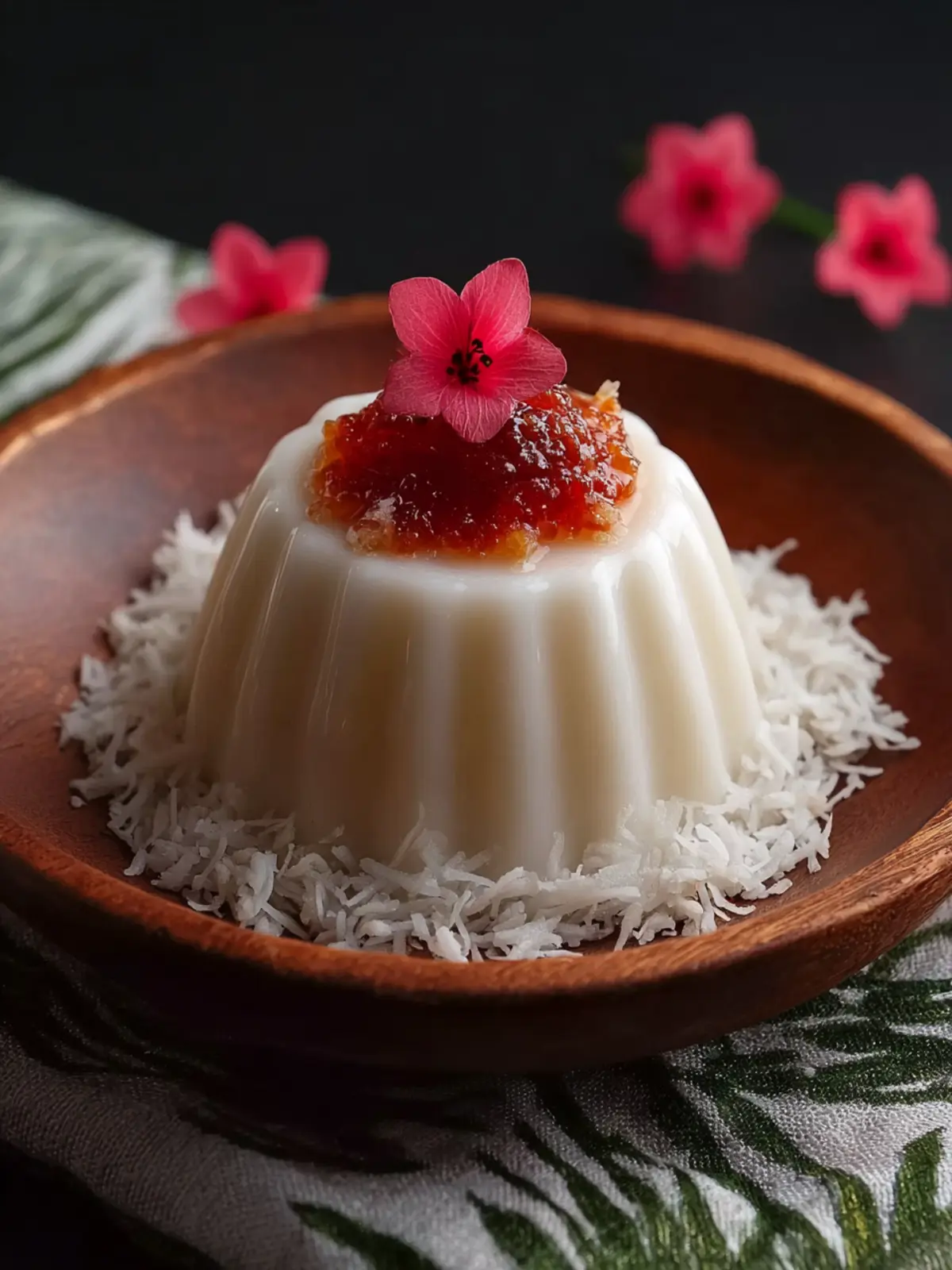
Key Ingredients for Chinese Coconut Pudding
Creating the perfect Chinese Coconut Pudding is all about selecting the right ingredients that come together to form a silky, delightful texture. Each component plays a crucial role in delivering that authentic flavor experience.
-
Coconut Milk: This is the star of the show! I recommend using full-fat coconut milk for creaminess. It’s rich and provides a deep coconut flavor that light coconut milk simply can’t match. If you need a dairy-free alternative, this is your go-to choice.
-
Rice Flour: This ingredient is essential for achieving that characteristic pudding texture. I prefer using glutinous rice flour, as it gives the pudding a wonderfully smooth and stretchy consistency. Make sure to sift it before using to avoid lumps in your pudding.
-
Sugar: A little sweetness goes a long way! Granulated sugar is typically used in this recipe. You can adjust the amount based on your taste preferences, but a balanced sweetness complements the coconut flavor perfectly.
-
Water: Just the right amount of water helps to hydrate the rice flour and creates that silky pudding base. I often use filtered water for the best results, allowing the flavors to shine through.
-
Salt: A pinch of salt enhances the overall flavor profile. It may seem small, but balancing the sweetness with a bit of salt brings out the depth of the other ingredients.
By carefully selecting these key ingredients, you’re not only respecting tradition but also ensuring that every bite of your Chinese Coconut Pudding is nothing short of exquisite.
Why You’ll Love This Recipe
Discover the alluring charm of Chinese Coconut Pudding, a dessert that’s not only silky smooth but is also steeped in cultural significance. This delightful treat has journeyed through generations, often served at celebrations and family gatherings, making it a dish that evokes fond memories and nostalgia.
Here’s why you’ll find yourself falling in love with this recipe:
-
Simplicity Meets Elegance: The beauty of Chinese Coconut Pudding lies in its uncomplicated ingredients. With just coconut milk, sugar, and agar-agar, you’ll create a dessert that impresses without the stress.
-
Texture Triumph: Its luxurious, silky texture is incredibly satisfying. Each bite melts in your mouth, offering a unique sensory experience that’s both refreshing and indulgent, making it an ideal dessert for any occasion.
-
Versatile Taste: While Chinese Coconut Pudding is delicious on its own, feel free to get creative by adding toppings like fresh fruit, or a drizzle of sweetened condensed milk for an extra touch of flavor.
-
Cultural Connection: Embracing this traditional dessert connects you with a rich culinary history. Sharing it with friends and family allows for a beautiful blend of cultures and flavors, fostering connection over something truly special.
Get ready to savor a slice of tradition with this lovely dessert—your taste buds will thank you!
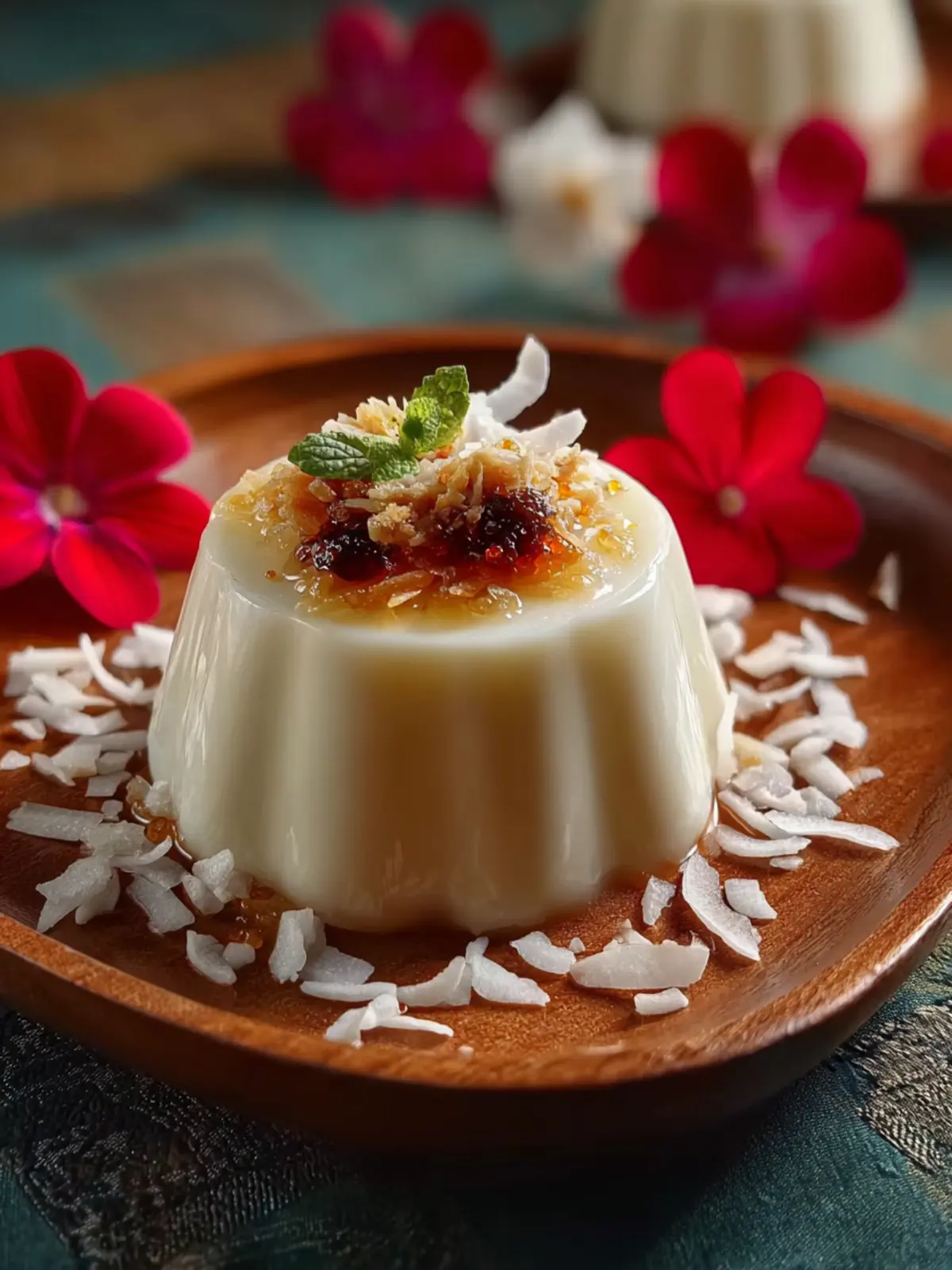
Variations of Chinese Coconut Pudding
Exploring Chinese coconut pudding opens up a delightful world of variations that cater to different palates. Each twist or addition can elevate this classic dessert, transforming it into something uniquely yours. Here are some popular variations to consider:
Mango Coconut Pudding
Adding mango to your Chinese coconut pudding can infuse a tropical sweetness that complements the creamy texture. Simply incorporate mango puree into the pudding mixture or serve diced fresh mango on top. The vibrant yellow contrasts beautifully with the white pudding, making your dessert not only tastier but also visually appealing.
Pandan Coconut Pudding
For a fragrant twist, consider using pandan leaves. Blend a few leaves with water, strain the mixture, and combine it with your coconut milk before adding the agar-agar. This variation brings a subtle, aromatic flavor and a lovely green hue to the pudding, adding a delightful complexity.
Taro Coconut Pudding
Taro, with its earthy flavor and pastel purple color, can be another fantastic addition. Steam and mash taro root, then fold it into your Chinese coconut pudding mixture. This not only adds nutrition but also provides an interesting texture that contrasts nicely with the smooth pudding.
Chocolate Coconut Pudding
If you’re a chocolate lover, try adding cocoa powder to your pudding mix. Start with a couple of tablespoons and adjust it to your taste. This unexpected combination creates a rich, indulgent version of Chinese coconut pudding that is sure to surprise and delight your guests.
These variations invite creativity and exploration, making your Chinese coconut pudding experience even more enjoyable!
Cooking Tips and Notes
Creating the perfect Chinese Coconut Pudding isn’t just about following the recipe; it’s about understanding each ingredient’s role in crafting that silky texture. Here are some tips to elevate your dessert game.
Choosing the Right Coconut Milk
Opt for full-fat coconut milk for a richer flavor and creamier pudding. It’s the star ingredient that brings that delightful tropical essence. If you prefer a lighter version, use light coconut milk, but remember, the texture might be slightly less decadent.
Sweetening Sensibly
For the sweetest outcome, use granulated sugar. If you’re feeling adventurous, consider experimenting with coconut sugar for a deeper flavor. Just be mindful of adjusting the quantity, as it can sometimes be less sweet than traditional sugar.
Gelatin Technique
When using gelatin, make sure to bloom it in cold water before incorporating it into your mixture. This step is crucial to avoid any clumps and ensure an even consistency. Remember to dissolve it in hot coconut milk for best results!
Flavor Variations
Feel free to infuse your Chinese Coconut Pudding with a hint of pandan leaf for an authentic touch. Just steep it in the coconut milk while heating, then strain before mixing in the gelatin—it’s a game changer.
Presentation Matters
For a stunning presentation, consider serving the pudding in individual cups or bowls, garnished with fresh fruit or toasted coconut flakes. It not only looks inviting but also adds a lovely texture contrast.
Enjoy your cooking journey, and remember, a little patience and creativity go a long way in perfecting your Chinese Coconut Pudding!
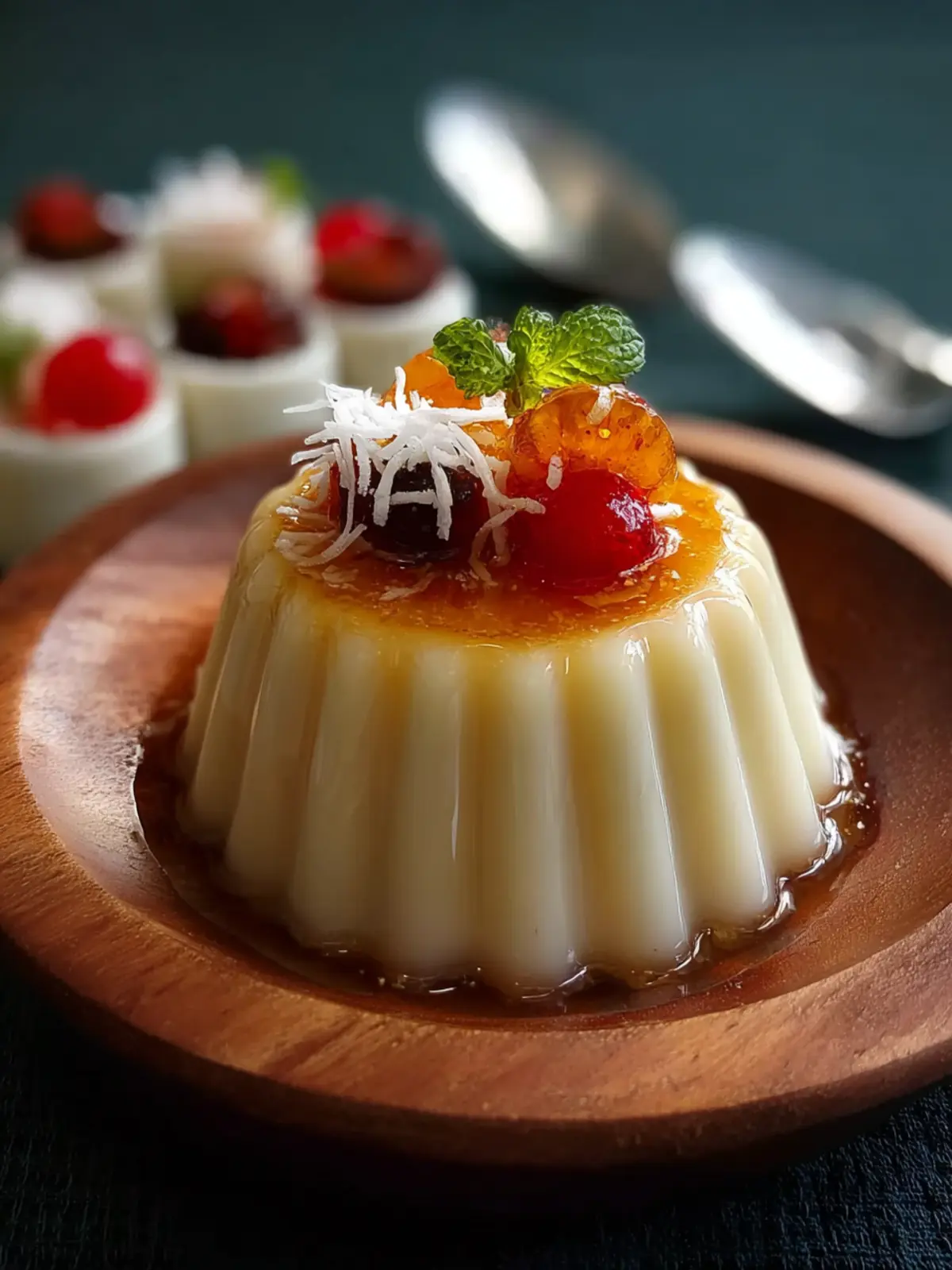
Serving Suggestions for Chinese Coconut Pudding
When it comes to enjoying Chinese Coconut Pudding, serving it just right can elevate your experience from delightful to unforgettable. This silky dessert is not only a treat for the taste buds but also a feast for the eyes. So, how can you present this charming dish at your next gathering?
Fresh Fruits and Toppings
Enhance the flavor and texture of your Chinese Coconut Pudding by pairing it with fresh fruits. Slices of tropical fruits like mango, kiwi, or lychee can introduce a refreshing contrast to the creamy pudding. If you’re feeling adventurous, consider adding a sprinkling of toasted coconut flakes on top for an extra crunch.
Creative Serving Vessels
Opt for charming bowls or individual cups to serve your pudding. Small glass jars or ceramic dishes can add a touch of elegance and charm. The clear containers also highlight the beautiful layers of the pudding, tempting your guests before they even take a bite.
Adding a Drizzle
A drizzle of coconut cream or a sweetened condensed milk can take your pudding to the next level. Just imagine the delight of your guests as they watch the cream swirl into the silky pudding, enhancing both flavor and presentation.
Combinations with Tea
For a delightful afternoon tea or dessert moment, serve your Chinese Coconut Pudding alongside a fragrant cup of jasmine or oolong tea. The pairing creates a harmonious balance that enhances the overall experience, making each spoonful even more enjoyable.
These thoughtful serving suggestions will not only impress your guests but also make your Chinese Coconut Pudding a standout dish, reminding everyone of the sweetness of life!
Time Breakdown for Chinese Coconut Pudding
Creating a delightful Chinese Coconut Pudding is a journey of flavors and textures that you’ll savor every step of the way. Understanding how much time you’ll need for each phase is essential to a smooth preparation and satisfying results.
Preparation Time
Getting ready for this delicious dessert takes about 15 minutes. This includes measuring out your ingredients and mixing them together. Don’t rush—take this moment to enjoy the coconut aroma filling your kitchen.
Cooking Time
The cooking process is relatively quick, lasting about 25 minutes. You’ll simmer the mixture gently until it’s perfectly creamy and silky, which is the essence of this Chinese Coconut Pudding.
Chilling Time
Once cooked, allow your pudding to chill for at least 2 hours. This step is crucial for achieving that lovely, firm texture we all love in a good pudding. Plus, it’s perfect for making ahead of a gathering!
Total Time
In total, you’re looking at approximately 2 hours and 40 minutes from start to finish. Isn’t that a wonderful way to create a dessert that’s both simple and elegant?
Nutritional Facts for Chinese Coconut Pudding
Ready to indulge in a delicious bowl of Chinese Coconut Pudding? Let’s take a closer look at the nutritional benefits of this silky dessert, which is not only satisfying but also brings a touch of nourishment to your sweet cravings.
Calories
Each serving of Chinese Coconut Pudding contains approximately 180 calories, making it a delightful treat without the guilt.
Fat
You’ll find about 8 grams of fat per serving, primarily sourced from the coconut cream. This adds a luscious, creamy texture while providing healthy fats to keep you feeling satisfied.
Carbohydrates
With around 24 grams of carbohydrates, this pudding is a balanced dessert option. The sugar content is naturally derived, making it a lovely way to end a meal.
Protein
While not a significant source of protein, each serving contains about 2 grams. This complements the overall nutritional profile and still allows it to fit nicely into a varied diet.
Enjoying Chinese Coconut Pudding is about more than just taste; it’s a simple way to treat yourself while being mindful of your nutritional choices!
FAQs about Chinese Coconut Pudding
When it comes to preparing Chinese Coconut Pudding, questions often arise. This delightful dessert has a simple charm that invites exploration. Here, we dive into some common queries to help you perfect your pudding experience.
Can I use different types of milk?
Absolutely! While traditional recipes often call for coconut milk, you can substitute it with almond milk or oat milk for a lighter version. If you prefer a creamier texture, using whole milk or a mix of coconut and evaporated milk works wonderfully too.
What is the best way to store leftovers?
If you find yourself with leftover Chinese Coconut Pudding, simply cover it tightly with plastic wrap and refrigerate. It can last for about 2-3 days. To serve, just give it a quick stir; the texture will remain creamy and inviting.
Is it possible to make this recipe vegan?
Definitely! To make your Chinese Coconut Pudding vegan, stick with coconut milk and use a plant-based sweetener instead of conventional sugar. Agar-agar can replace gelatin if you’re looking for a plant-based gelling agent, making this treat suitable for everyone.
How can I enhance the flavor further?
For those wanting to elevate their Chinese Coconut Pudding, consider adding a splash of vanilla extract or mixing in some pandan leaves during cooking. Toppings like toasted coconut flakes, fresh mango slices, or a drizzle of honey can add a delightful finish.
Can I serve this dessert warm?
While it’s typically served chilled, you can certainly enjoy your Chinese Coconut Pudding warm! Just be mindful that it will have a different texture—silky and smooth but not quite firm. Heat gently to avoid curdling the coconut milk, and enjoy this comforting twist.
Conclusion on Chinese Coconut Pudding: Why It’s a Must-Try
Embracing the delicate flavors of Chinese Coconut Pudding is like taking a journey through rich culinary history and savoring a sweet slice of tradition. This silky dessert is not just a treat for your taste buds; it’s a vibrant experience that invites you to explore the unique blend of coconut and pandan.
Whether you’re enjoying it at a family gathering or trying it for the first time at a local restaurant, the texture and taste will captivate you. It’s a simple yet elegant dessert that blends nostalgia with modern flair, making it a flavorful addition to any meal. So, don’t miss out—let Chinese Coconut Pudding charm its way onto your dessert table!
Print
Chinese Coconut Pudding
- Total Time: 4 hours 20 minutes
- Yield: 4 servings 1x
- Diet: Vegetarian
Description
This Chinese coconut pudding is smooth, lightly sweet, and incredibly refreshing.
Ingredients
Scale
- 1 cup coconut milk
- 1 cup whole milk
- 1/3 cup granulated sugar
- 1 tablespoon unflavored gelatin powder
- 3 tablespoons water
- 1/2 teaspoon vanilla extract
- Pinch of salt
Instructions
- Start by blooming the gelatin. In a small bowl, combine the gelatin powder with water and let it sit for a few minutes.
- In a saucepan over medium heat, combine the coconut milk, whole milk, sugar, and a pinch of salt. Stir gently as it warms, ensuring it doesn’t boil.
- Once heated, remove the mixture from the stove and stir in the softened gelatin until it dissolves. Add the vanilla extract for added flavor.
- Pour the mixture into small molds or serving cups. I prefer simple glass dishes to display the beautiful set layer.
- Let the pudding cool slightly, then transfer it to the refrigerator. Chill for at least 3–4 hours, or until fully set.
- To serve, enjoy directly from the cup or gently unmold onto a plate.
Notes
- Waiting for the pudding to set can be challenging, but it’s worth it for the silky texture.
- This dessert is ideal for warm weather.
- Prep Time: 10 minutes
- Cook Time: 10 minutes
- Category: Dessert
- Method: Refrigerate
- Cuisine: Chinese
Nutrition
- Serving Size: 1 cup
- Calories: 180
- Sugar: 12g
- Sodium: 30mg
- Fat: 9g
- Saturated Fat: 7g
- Unsaturated Fat: 1g
- Trans Fat: 0g
- Carbohydrates: 22g
- Fiber: 0g
- Protein: 3g
- Cholesterol: 10mg